Skip to content
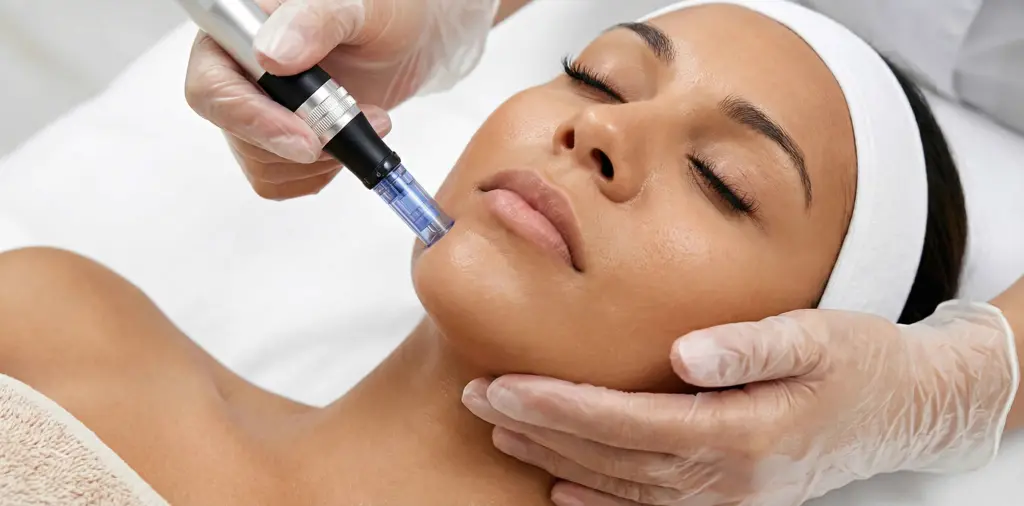
Table of Contents
Hyperpigmentation can be stubborn, whether it shows up as dark spots, melasma, sun damage, or post-acne marks. If you’re tired of uneven tone, dullness, and skincare products that barely make a dent, it makes sense to look for an option that works with your skin instead of stressing it. At Cherry Medical Aesthetic, many patients seek a natural-looking approach that supports collagen production, doesn’t require days of downtime, and avoids harsh lasers or strong chemical treatments. If you’ve been searching for Microneedling with PRP in Denver, CO, this treatment pairing is designed for steady, skin-rebuilding improvement.
What Causes Hyperpigmentation?
Hyperpigmentation happens when the skin produces extra melanin in certain areas. That pigment can remain on the surface or penetrate deeper, which is why some dark spots fade quickly, and others persist for months.
Common triggers include:
- Excess melanin production from inflammation or irritation
- Sun exposure (often the biggest driver for recurring discoloration)
- Hormonal changes, including melasma
- Post-inflammatory hyperpigmentation after acne or skin trauma
- Aging, as cell turnover naturally slows down
When pigment is paired with slower turnover, skin can begin to look uneven, even if it otherwise feels “healthy.”
How Body Microneedling with PRP Targets Hyperpigmentation
Microneedling with PRP focuses on the two things uneven tone often needs most: healthier turnover and better repair signals.
Here’s what’s happening under the surface:
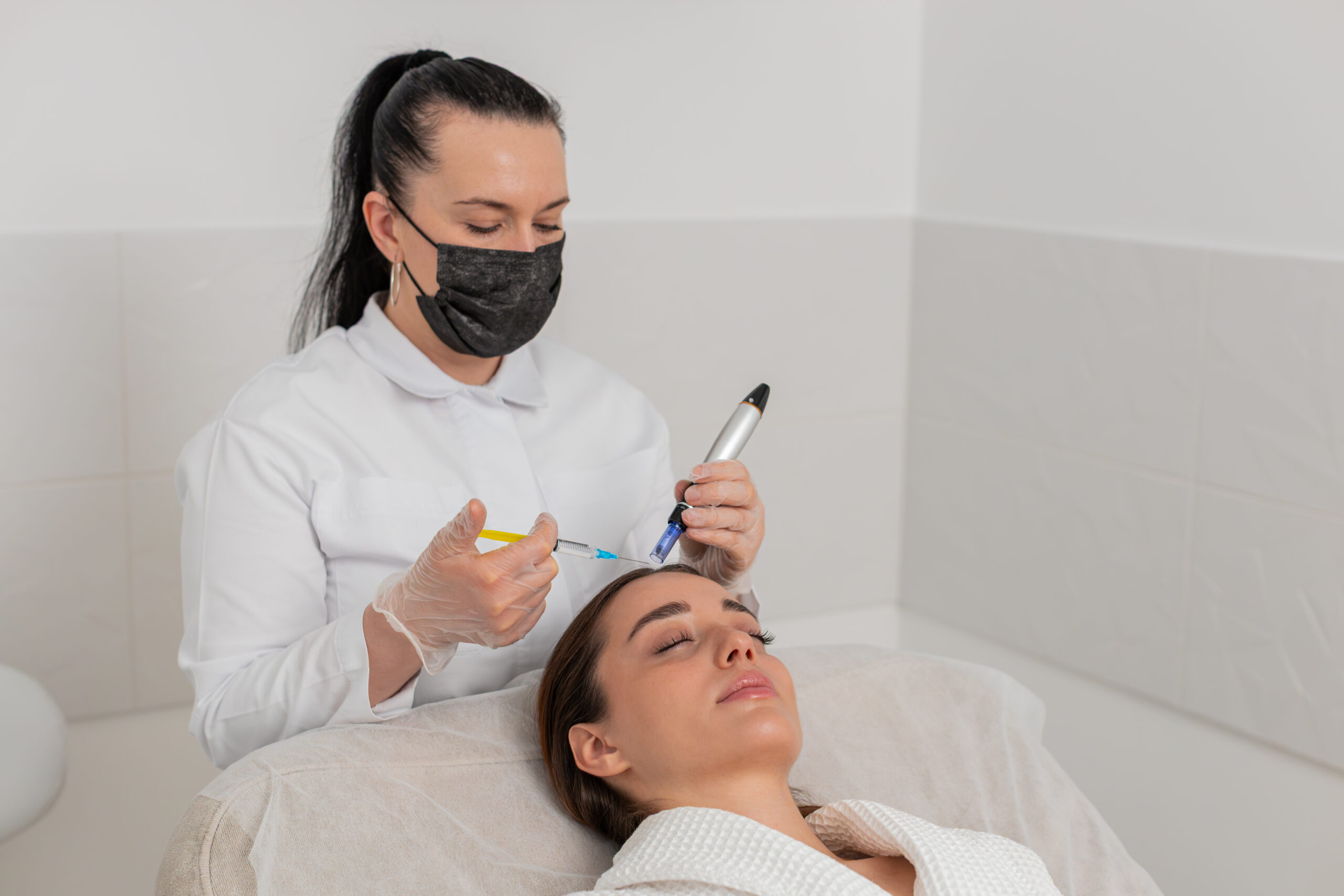
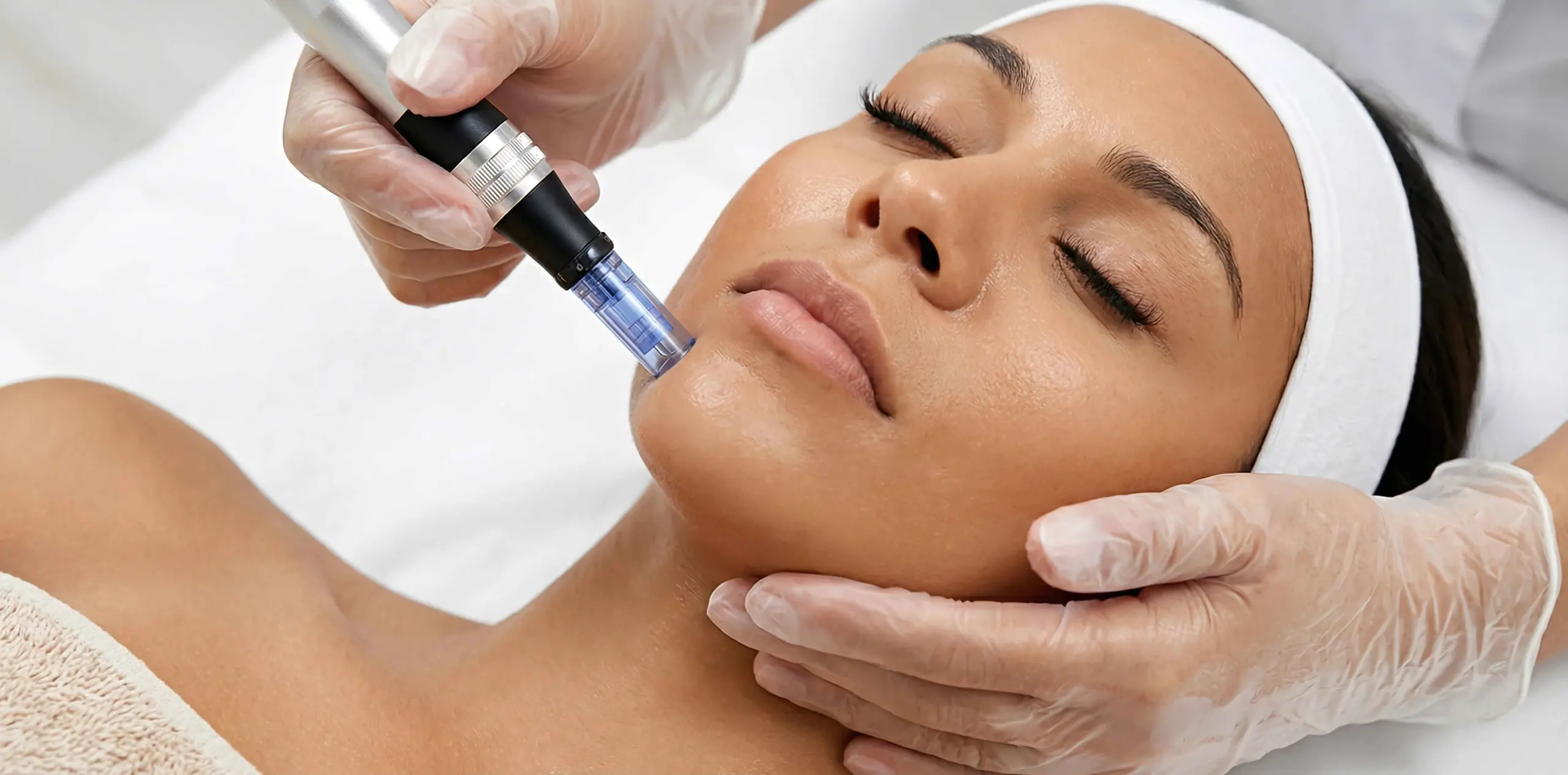
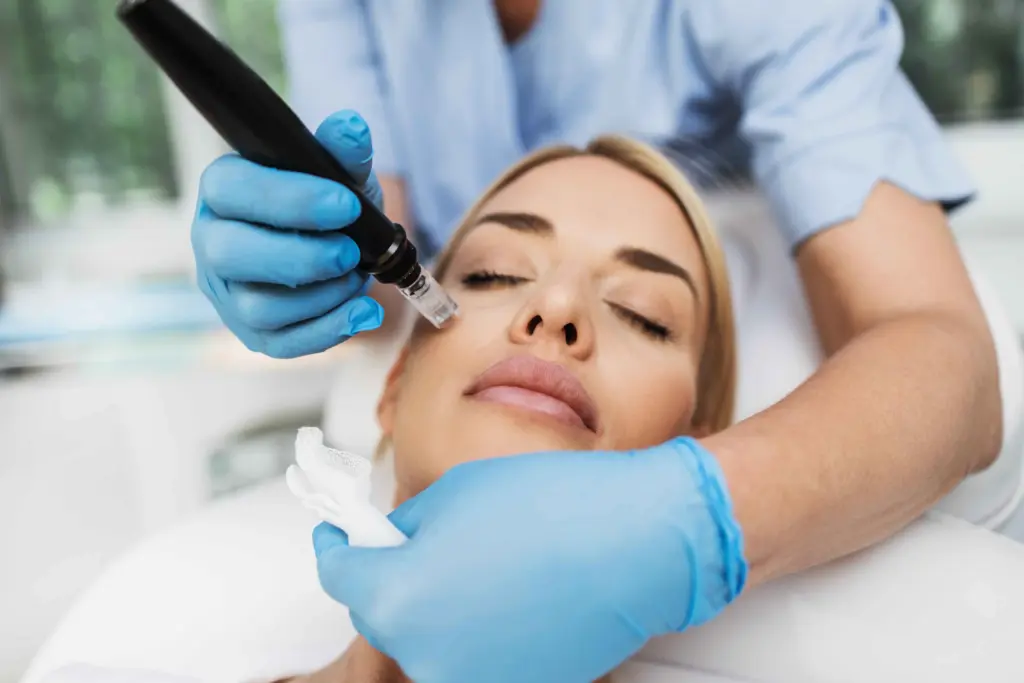
Microneedling creates controlled micro-injuries in the skin. That sounds intense, but the goal is very specific: trigger your skin’s repair response without causing widespread damage. As healing begins, collagen and elastin production increase, and the skin begins to rebuild in a more organized way.
PRP, or platelet-rich plasma, is prepared from a simple blood draw and contains concentrated platelets and growth factors. When PRP is applied during or after microneedling, it supports faster recovery and a stronger regeneration response.
Together, the pairing can help with Microneedling PRP for hyperpigmentation by:
- Encouraging more even cell turnover, so pigmented cells are replaced more consistently
- Supporting collagen remodeling, which can improve the texture, making discoloration look more obvious
- Helping fade the look of dark pigment over time as new, healthier skin surfaces
- Improving overall tone and clarity in a gradual, natural-looking way
This is not a “one-and-done” quick fix, but it’s a method that helps your skin change from the inside out.
Why PRP Makes a Difference for Dark Spots
PRP is one reason this approach feels “natural” to many patients. You’re using your own concentrated blood components to support the repair process initiated by microneedling.
When the skin is healing well, it’s less likely to stay stuck in that cycle where discoloration keeps reappearing after irritation. PRP can help create a smoother healing environment, which matters for pigment-prone skin.
People often look into PRP facial benefits for reasons like:
- More comfortable recovery compared with microneedling alone
- A brighter-looking finish as healing progresses
- Support for overall skin quality (tone, texture, and radiance)
The primary value is that PRP supports the “rebuild” phase, where gradual tone improvement occurs.
What Results Can You Expect?
Most people see improvement in stages. Hyperpigmentation rarely fades overnight, and the most natural-looking results typically come from gradual buildup.
Common changes patients notice include:
- Gradual fading of dark spots and uneven patches
- A brighter, more even complexion
- Smoother texture (which helps the tone look more uniform)
- Subtle firming as collagen rebuilds
- A refreshed look that still looks like you
The timeline is personal, but many patients notice early changes a few weeks after the first session, with more visible tone improvements after a series. If you’re also looking for Skin rejuvenation that Denver patients often want, this treatment pairing is a good fit because it targets tone and overall skin quality simultaneously.
Who Is a Good Candidate for Microneedling with PRP?
This option is a strong fit if your main goal is a more even tone without jumping straight to aggressive treatments.
You may be a good candidate if you have:
- Mild to moderate hyperpigmentation
- Uneven tone from sun exposure or old blemishes
- Post-acne dark marks (after active breakouts are controlled)
- Early signs of aging, like fine lines or rough texture
- A preference for Even skin tone treatments that support gradual improvement
A consultation remains important because pigment can have different causes and depths. The best plan depends on the type of discoloration and how your skin typically reacts to inflammation.
How Many Sessions Are Needed?
For hyperpigmentation, consistency usually wins. Many patients do best with a short series, then maintain as needed.
A common plan looks like:
- 3–4 sessions spaced several weeks apart
- Maintenance treatments are recommended based on your skin’s response and goals
Sun protection matters a lot after treatment. UV exposure is one of the fastest ways to bring pigment back, especially while skin is actively renewing. If your goal is to reduce age spots naturally, daily SPF and smart sun habits are part of the result, not an optional extra.
Why Choose Microneedling with PRP Over Harsh Treatments?
Some treatments can fade pigment quickly, but they aren’t always the best match for every skin type or every kind of discoloration. Stronger options can also raise the risk of rebound pigmentation in people who are prone to it.
Microneedling with PRP is often chosen because it offers:
- Minimal downtime for most patients (expect temporary redness and sensitivity)
- A collagen-building approach that improves tone and texture together
- A lower likelihood of triggering post-inflammatory pigment compared with more aggressive resurfacing for many skin types
- Gradual, natural-looking improvement that tends to photograph well
If you’re specifically looking for a collagen-stimulating facial that also targets discoloration, the microneedling + PRP combination is a practical middle ground: results-focused, but not overly harsh.
A More Even Tone Starts With the Right Plan
Hyperpigmentation can be frustrating because it often feels like you’re doing everything “right” and still seeing uneven patches in the mirror. Treatments that support healthier turnover and calmer healing give your skin a better chance to look consistently clear over time.
If you want a plan that targets discoloration while also improving texture and brightness, body microneedling with PRP can be a strong option, especially when it’s tailored to your skin and your pigment pattern. If you’re ready to talk through timing, expected results, and whether this is the right PRP treatment for you, start with a consultation.
Book Your PRP Treatment Today!